
Apartado
Creativo
A store full of other people's brands needed a voice and visual language unmistakably its own.
Social strategy · Visual direction · Content management
- Scope
- Social media strategy, visual direction & content management
- Industry
- Fashion retail
- Social Media
- Year
- 2024

Plenty of brands.
Plenty to show.
But whose voice was it?
Apartado Creativo is a multi-brand retail collective in Costa Rica. That is also the challenge: when a store is built around other people's products, it can easily end up showing everyone else's identity and very little of its own.
The store already had the ingredients — strong products, a physical space with personality and a team customers actually knew. What was missing was a visual and editorial system that could connect those pieces and make the brand recognizable before anyone read the name.
The opportunity was bigger than making the Instagram feed prettier. It was giving Apartado a point of view that could carry from social media to the website and into the store itself.
We built a point of view,
then carried it everywhere.
We started with Instagram — a new look and feel, clearer design direction and a content rhythm built around reels, stories and recurring ideas — then extended that same voice beyond the feed.
Give the feed a rhythm.
Instead of scattered product posts, the account gained a more recognizable visual language and a repeatable mix of reels, stories and editorial retail content.
Put people in it.
The owner and staff moved in front of the camera so the account felt like the people inside the shop — not another anonymous product catalog.
Take it off-screen.
The same identity was carried into the website, packaging, signage and in-store details so every customer touchpoint belonged to the same brand.


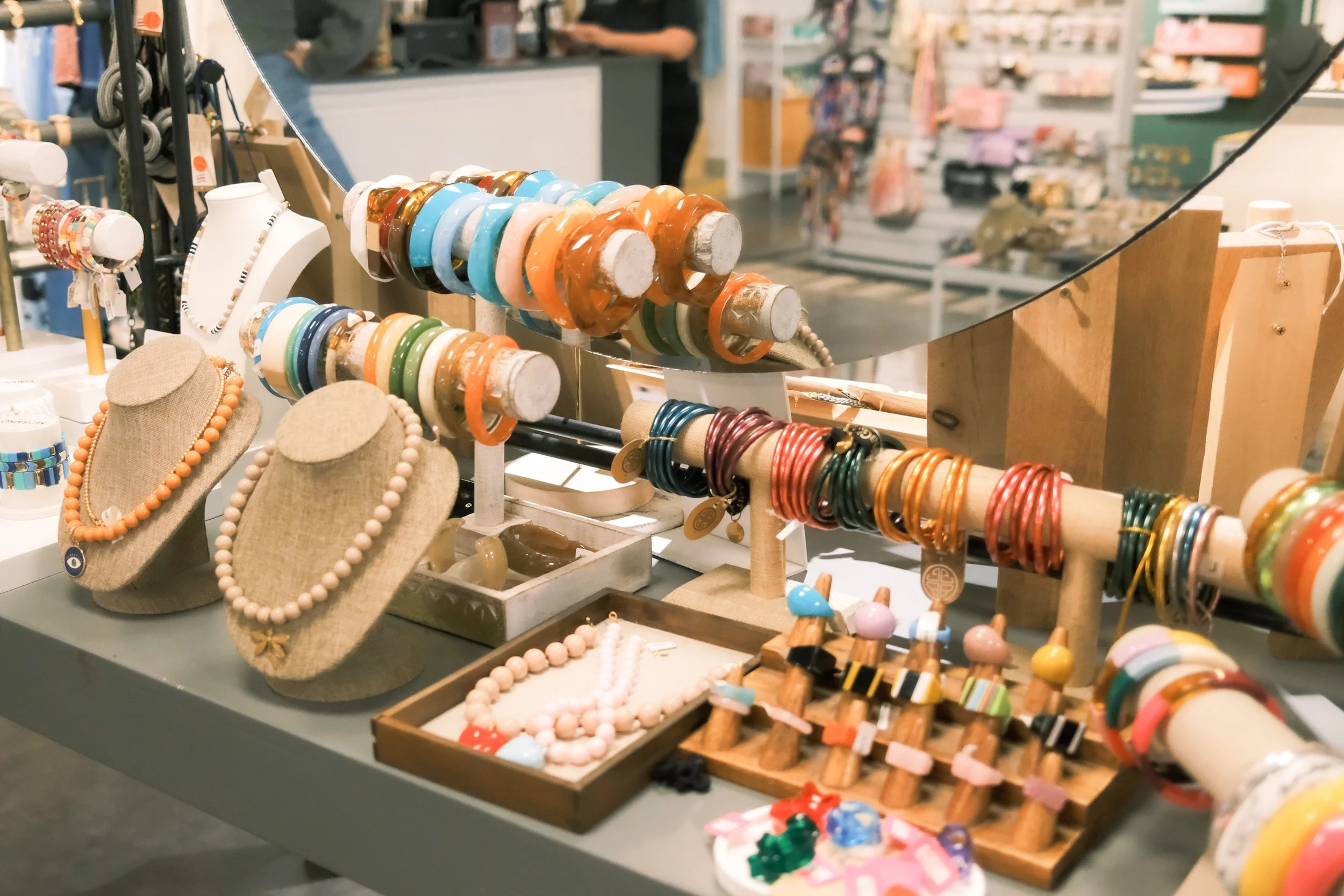

The account stopped feeling like a shelf and started feeling like the store itself.
The result was real growth in followers and engagement — and, more to the point, in revenue. More importantly, Apartado gained a recognizable voice across social, digital and physical touchpoints. The products still came from many brands; the experience around them finally felt like one.
A multi-brand store sells everyone else's products. The point was making the place unmistakably its own.